
 The Memorial Lecture honors the memory of Dr. Daryl Fair, who devoted 44 years of his professional career to The College, the Department of Political Science, and his students., forming the Prelaw Advisory Committee and the Prelaw Society.
Dr. Fair had wide-reaching scholarly interests. While trained as a judicial process and courts scholar with a focus on state courts, he published research on judicial decision-making, political science pedagogy, church-state relations, state policy-making, and political parties and elections. He taught, at one point or another, most of the American Politics courses in the Political Science Department’s curriculum. In addition to creating the department’s law courses, Daryl also taught about political parties and interest groups, public opinion and voting, American political institutions, and various political theory courses, an impressive range of expertise.
During his years at TCNJ, no faculty member spent more time working one-on-one with individual students, in this case helping to match students with law schools and crafting effective applications and personal statements. No faculty member has written more letters of recommendation, in this case primarily to law schools. Thus, he guided generations of students through the law school application process: hundreds of current attorneys in New Jersey and elsewhere owe their success in no small measure to his advice, guidance, and support..Thanks to Dr. Fair’s lasting legacy, the TCNJ Prelaw Program has and continues to support generations of students.
The Third Annual Daryl Fair Memorial Lecture
Before Brown: A History of Law School Desegregation
Presented by New Jersey Supreme Court Justice
Fabiana Pierre-Louis
Wednesday, March 12, 2025 at 4:30 pm
Brower Student Center 100 East
Reception to follow
While many people know the landmark U.S. Supreme Court case Brown v. Board of Education in which the Court ruled that racial segregation in public schools was unconstitutional, many people are not aware of the decades of work and cases that laid the groundwork for Brown. Those cases primarily focused on the desegregation of law schools. Justice Pierre-Louis will discuss some of those cases and their rulings.
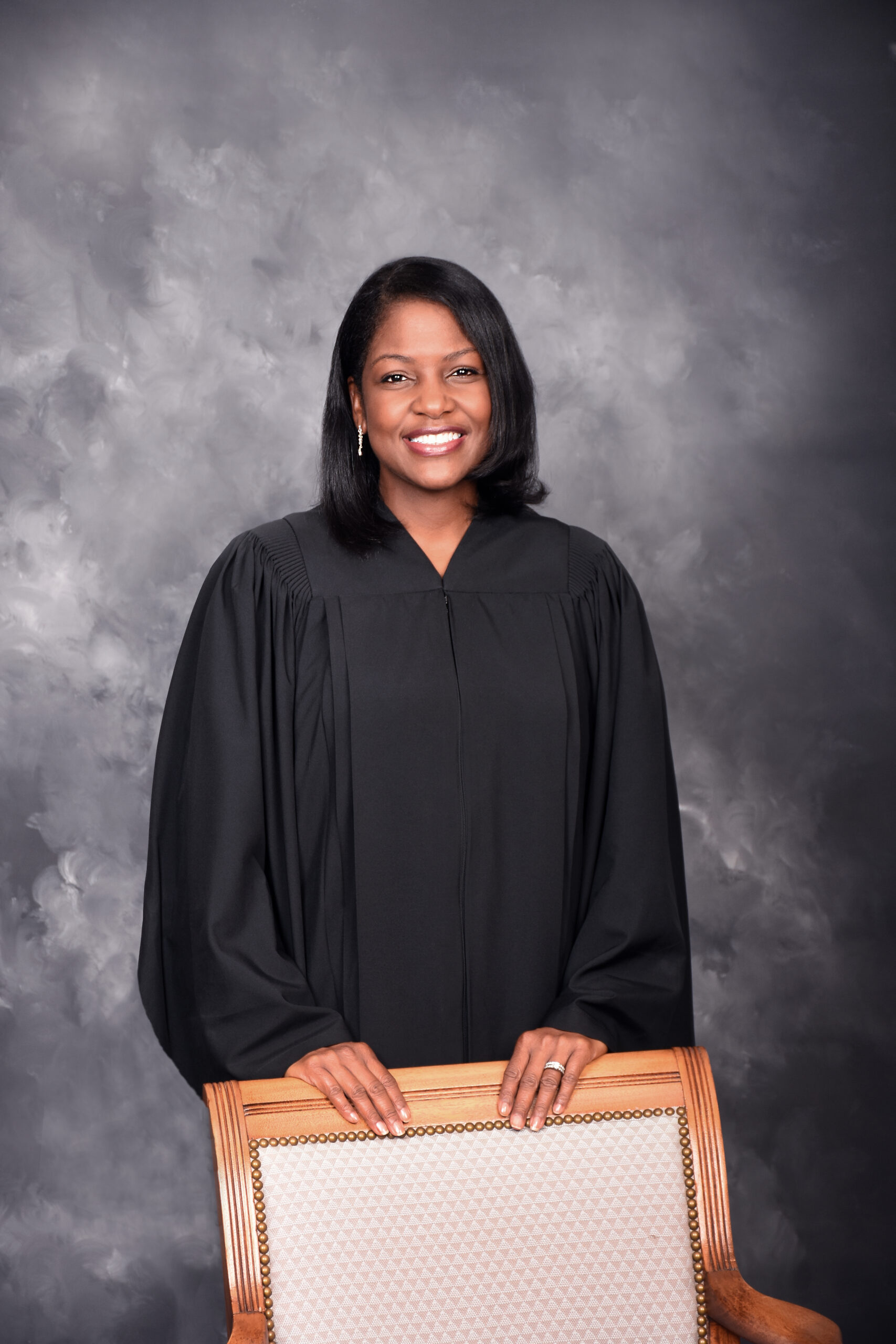 Justice Fabiana Pierre-Louis was nominated by Gov. Phil Murphy on June 5, 2020 and was sworn in as an associate justice on Sept. 1, 2020. She is the first Black woman and woman of color to serve on the Supreme Court of New Jersey. Justice Pierre-Louis, the daughter of Haitian immigrants, received a bachelor’s degree from Rutgers University in New Brunswick and a law degree from Rutgers Law School in Camden. Justice Pierre-Louis was a federal prosecutor at the U.S. Attorney’s Office for almost a decade. She later served as the Attorney-in-Charge of the Trenton and Camden offices and was the first woman of color to hold both positions. Justice Pierre-Louis began her legal career as a law clerk to New Jersey Supreme Court Associate Justice John E. Wallace Jr., whose seat she now occupies.
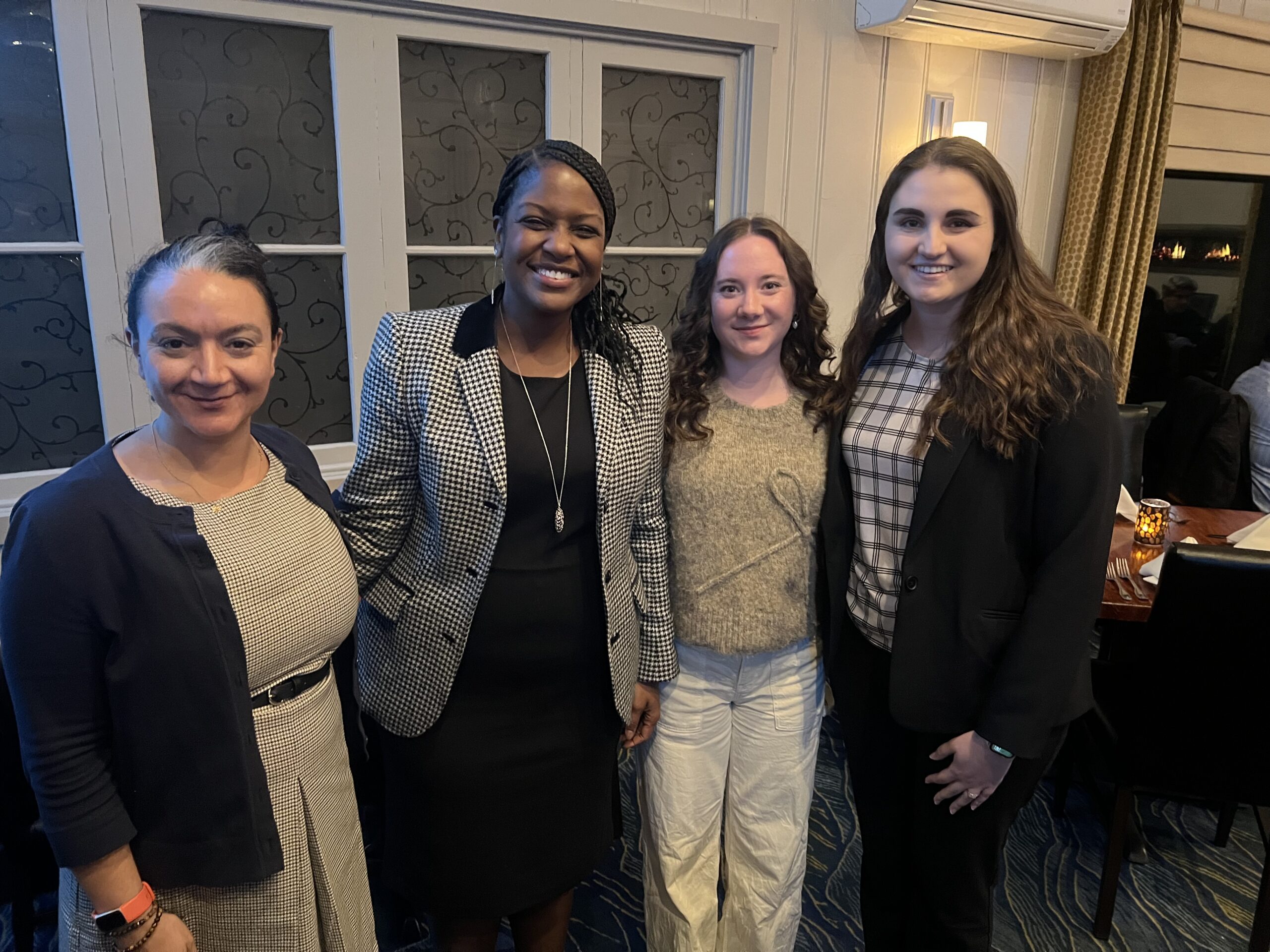
Past Daryl Fair Memorial Lecture Presentations
March 5, 2024
The Plight of Climate Refugees: Rising Seas, Melting Ice, and Inadequate Legal Frameworks with Randall S. Abate, Assistant Dean for Environmental Law Studies, The George Washington University Law School
 Climate change impacts continue to displace vulnerable communities around the world with increasing frequency and intensity. Existing domestic and international legal frameworks are inadequate to confront the unfolding global climate change displacement crisis. The global community needs to bridge the divide between international environmental law and international human rights law frameworks to address this pressing issue at the forefront of global climate change adaptation and resilience. Climate displacement case studies within and outside the U.S. will be examined to expose the gaps in the legal frameworks and explore possible solutions.
Randall S. Abate joined GW Law in July 2022 as the Assistant Dean for Environmental Law Studies. He brings 28 years of experience teaching, writing, managing programs, and mentoring students on domestic and international environmental law issues in various contexts.
Prior to coming to GW Law, from 2018-2022, Dean Abate served as the inaugural Rechnitz Family and Urban Coast Institute Endowed Chair in Marine and Environmental Law and Policy and a Professor in the Department of Political Science and Sociology at Monmouth University in West Long Branch, New Jersey. Prior to Monmouth, Professor Abate was a full-time faculty member at six U.S. law schools. Throughout his academic career, Dean Abate has taught courses in domestic and international environmental law, climate change law and justice, ocean and coastal law, constitutional law, torts, and animal law.
Dean Abate has published six books and more than thirty law journal articles and book chapters on environmental and animal law topics, with a recent emphasis on climate change law and justice. Early in his career, Professor Abate handled environmental law matters at two law firms in Manhattan.
September 29. 2022
The Underappreciated Role of State Constitutions in the Protection of Individual Rights with Ethan Kisch, TCNJ Class of 2014, Gibbons Fellow in Public Interest & Constitutional Law

Ethan Kisch graduated from TCNJ in 2014 with a major in political science and attended Harvard Law School. Mr. Kisch clerked the Honorable Stuart Rabner, Chief Justice, Supreme Court of New Jersey and the Honorable John Michael Vazquez, United States District Court for the District of New Jersey. He was an associate at Patterson, Belknap Webb & Tyler in New York City and now serves as a Gibbons Fellow in Public Interest & Constitutional Law.